Airflow That Reaches Every Room Efficiently
Ductwork and Insulation Upgrades in Riverton for airflow loss, uneven temperatures, and inefficient duct systems
Leaking duct joints and undersized return pathways force HVAC systems to work harder while delivering less conditioned air to living spaces, and inadequate attic insulation allows heat to escape during winter or infiltrate during summer faster than your equipment can compensate. These conditions show up as rooms that never reach thermostat settings, utility bills that climb without corresponding comfort improvements, and furnaces or air conditioners that run continuously without achieving consistent temperatures throughout your property. RH Mechanical, LLC evaluates existing duct systems and insulation performance across Riverton, South Jordan, and Salt Lake Valley to identify where energy waste occurs and recommend targeted upgrades that restore balanced airflow and thermal efficiency.
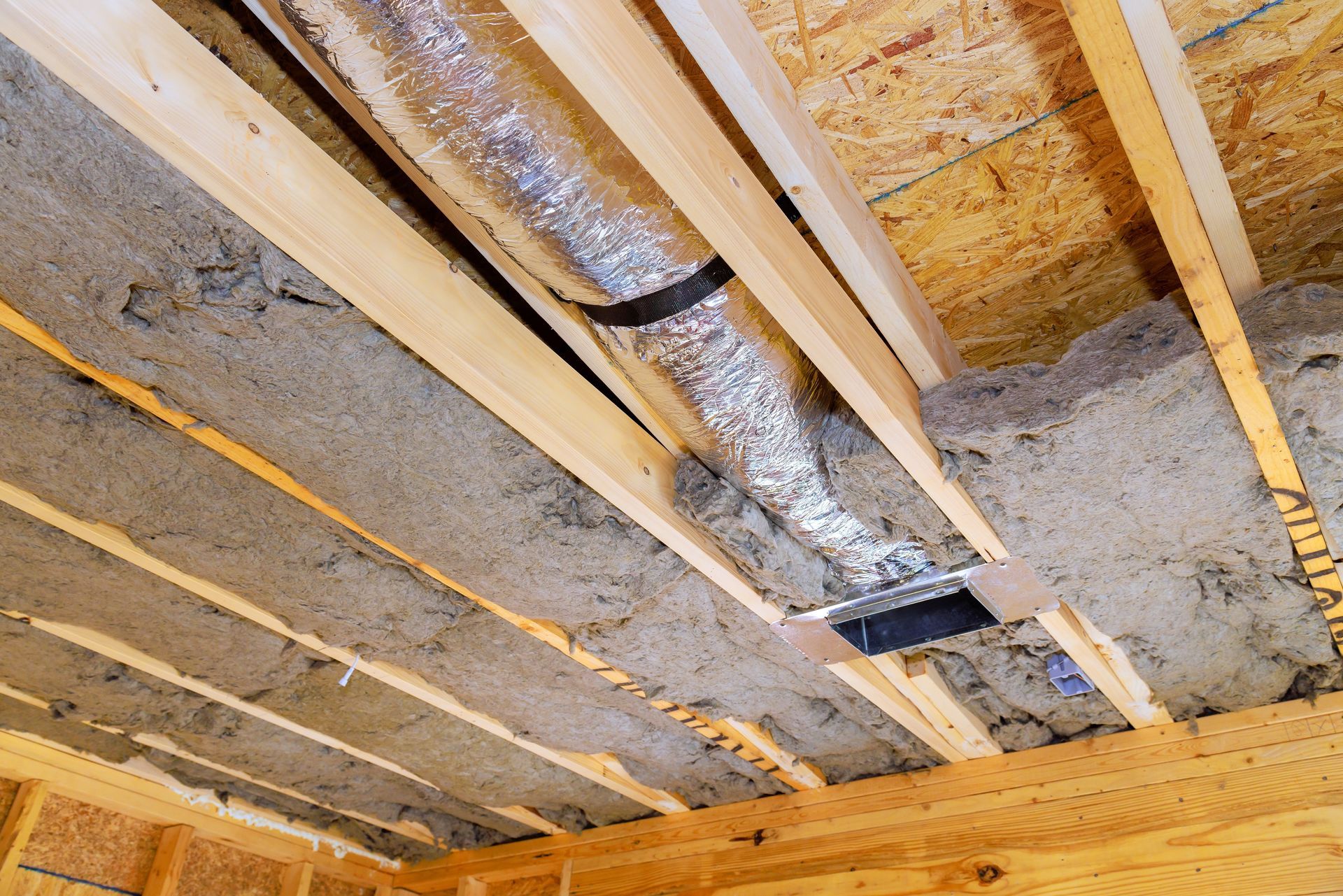
Ductwork upgrades involve sealing leaks at joints and connections using mastic sealant rather than cloth tape that deteriorates over time, resizing supply and return ducts to match HVAC equipment capacity, and insulating duct runs in unconditioned attics or crawl spaces where temperature differences cause condensation or heat loss before air reaches interior registers.
Request a system evaluation to assess where ductwork modifications or insulation improvements will deliver the greatest efficiency gains.
What Ductwork and Insulation Upgrades Prevent Long-Term
Airflow testing measures whether your HVAC system delivers the volume of conditioned air it was designed to produce, revealing restrictions caused by crushed flex ducts, undersized trunk lines, or return grilles that can't supply enough air to match furnace or air handler output. Thermal imaging identifies insulation gaps in attics and walls where heat transfer undermines HVAC performance regardless of equipment condition or duct integrity.
After ductwork sealing and insulation upgrades are finished, you'll notice rooms reach set temperatures faster and maintain them more consistently, utility bills decline because less conditioned air escapes before reaching living spaces, and dust accumulation decreases because sealed ducts no longer pull unfiltered air from attics or crawl spaces through leaks and gaps. HVAC equipment runs shorter cycles because improved insulation reduces heating and cooling loads, extending compressor and blower motor lifespan while reducing strain that leads to premature failures.
These upgrades also improve indoor air quality by preventing unconditioned air from bypassing filters and introducing dust, pollen, and insulation particles into duct systems that distribute contaminated air throughout your property. Properly insulated and sealed ductwork maintains cleaner airflow while reducing the frequency of filter replacements caused by excessive dust loads.
Common Questions About This Service
Ductwork and insulation problems often go unnoticed because their effects accumulate gradually, but addressing these issues produces measurable comfort and cost improvements across residential and commercial properties.
What causes uneven temperatures between rooms?
Undersized ducts restrict airflow to distant rooms, duct leaks reduce pressure needed to push conditioned air through long runs, and insufficient return pathways create negative pressure that prevents proper air circulation, leaving some areas consistently warmer or cooler than others regardless of thermostat settings across Riverton and South Jordan properties.
How does attic insulation affect HVAC performance?
Inadequate insulation allows radiant heat to transfer through ceilings during summer and escape through roofs during winter, increasing the temperature differential your HVAC system must overcome and forcing equipment to run longer cycles that consume more energy without achieving stable indoor climates.
When should ductwork be replaced rather than repaired?
Ducts installed before modern sizing standards, systems with extensive mold contamination, or flex ducts compressed by storage or insulation damage often cost more to repair piece by piece than replacing with properly sized, sealed, and insulated duct runs that restore full system capacity.
Why do duct leaks increase utility costs?
Conditioned air escaping into attics, crawl spaces, or wall cavities never reaches living areas, forcing furnaces and air conditioners to run longer to compensate for lost heating or cooling capacity, while leaks in return ducts pull unconditioned air into the system that must be heated or cooled before distribution.
What improvements deliver the fastest return on investment?
Sealing major duct leaks in unconditioned spaces and adding insulation to meet current building code requirements typically reduce energy bills by 15-30%, with payback periods under five years depending on existing conditions and utility rates.
RH Mechanical, LLC identifies ductwork and insulation deficiencies that reduce HVAC efficiency and indoor comfort, then implements targeted upgrades that lower operating costs and extend equipment lifespan. Schedule a ductwork and insulation evaluation to determine which improvements will benefit your property most.