Rooftop Systems That Handle Seasonal Extremes
RTU and Rooftop HVAC Services in Riverton for commercial buildings relying on centralized climate control
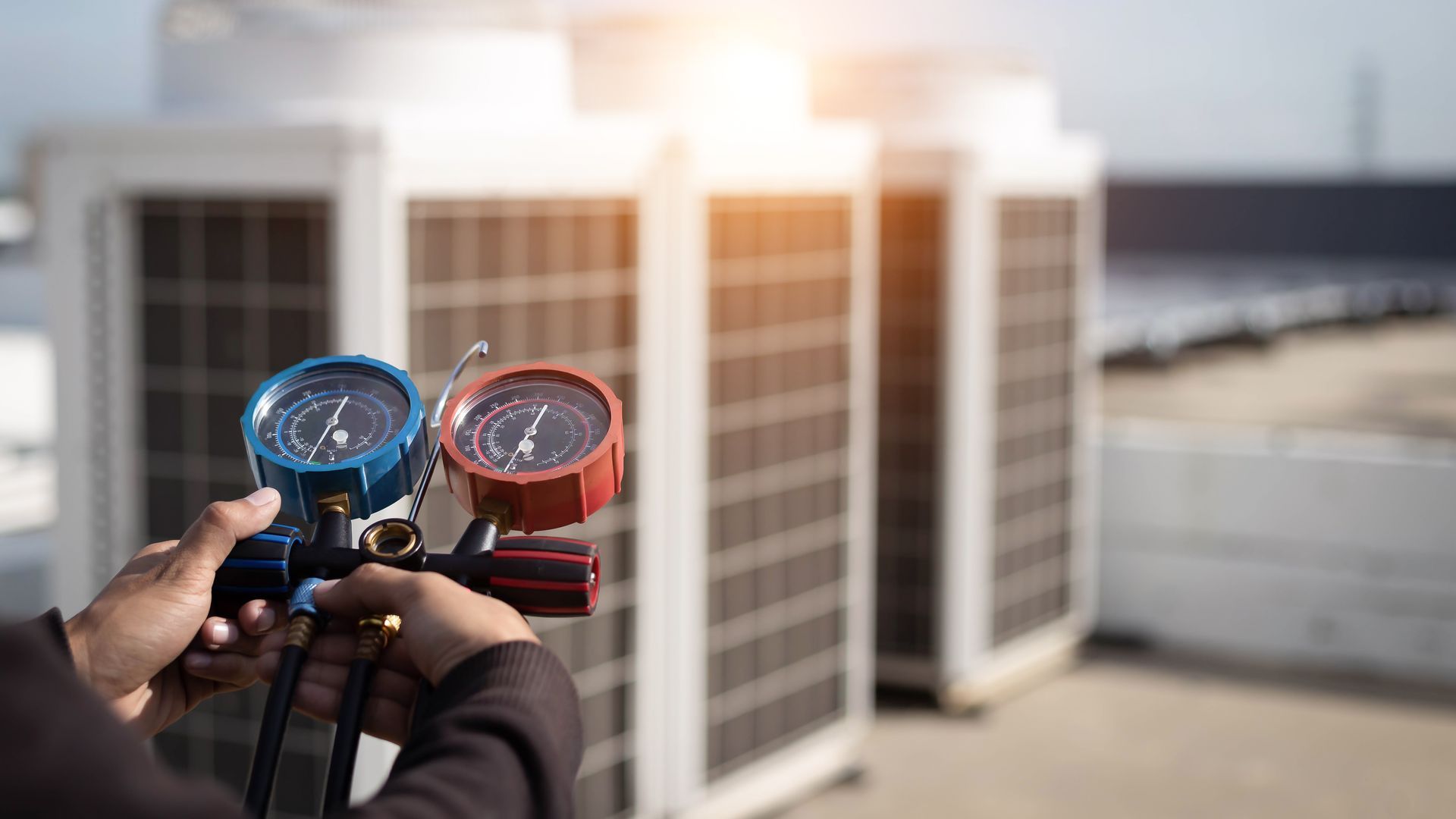
Rooftop HVAC systems and RTUs serve as the primary climate control solution for warehouses, retail centers, office buildings, and industrial properties where ground-level space is unavailable or impractical for equipment placement. RH Mechanical, LLC provides installation, replacement, and repair services for these systems across Riverton and surrounding communities in the Salt Lake Valley. Rooftop equipment faces harsher environmental exposure than ground-level units, with direct sun heating metal cabinets well above ambient temperature and winter snow accumulation affecting airflow and drainage.
The work involves equipment sizing based on building load requirements, proper installation standards that account for roof penetrations and structural support, and performance planning that addresses Utah's hot summers and cold winters. Rooftop units provide centralized climate control without consuming interior or ground-level real estate, but they require correct refrigerant charge, secure mounting, and weatherproof electrical connections to function reliably.
Arrange a rooftop equipment assessment to evaluate your current system condition and replacement options.
How Rooftop HVAC Installations Address Building Requirements
Installing or replacing a rooftop unit requires coordination with building structure, existing ductwork, and electrical infrastructure. The process includes verifying roof load capacity, sealing curb adapters to prevent water intrusion, running refrigerant lines and electrical conduit through weatherproof penetrations, and testing airflow distribution throughout the building. Poor installation creates roof leaks, vibration noise, and premature equipment failure.
Once the installation is complete, your building maintains consistent temperatures across all zones without the hot and cold spots caused by undersized or poorly balanced systems. Energy consumption drops when properly sized equipment runs at designed efficiency rather than cycling on and off to compensate for incorrect capacity. Maintenance concerns decrease because correctly installed rooftop units experience fewer refrigerant leaks, electrical failures, and drainage problems.
Rooftop HVAC services also include responsive support for emergency repairs and planned equipment upgrades when existing units reach the end of their service life or no longer meet building demands. Dependable rooftop systems prevent business interruptions during peak temperature periods when equipment failures disrupt operations and create uncomfortable conditions for employees and customers.
Answers to Frequent Rooftop HVAC Questions
Business owners and facility managers considering rooftop HVAC work often ask about installation standards, equipment selection, and long-term performance expectations.
What makes rooftop HVAC systems different from split systems?
Rooftop units contain all components—compressor, condenser, evaporator, and blower—in a single weatherproof cabinet mounted on the roof, eliminating the need for separate outdoor condensers and reducing refrigerant line lengths that can develop leaks.
How do you determine the right RTU size for a commercial building?
Sizing calculations account for building square footage, ceiling height, insulation R-values, window area and orientation, occupancy levels, internal heat from equipment and lighting, and ventilation requirements, with oversized units causing humidity problems and undersized units failing to maintain setpoint temperatures.
When should a business schedule rooftop HVAC replacement?
Replacement becomes necessary when equipment age exceeds fifteen years, repair frequency increases, efficiency decline raises energy costs, or refrigerant type changes due to regulatory phaseouts make repairs impractical.
What maintenance does rooftop equipment require in Utah's climate?
Rooftop units need seasonal inspections that include coil cleaning to remove dust and cottonwood debris common in the Salt Lake Valley, drain line flushing to prevent ice blockages, and weatherproofing checks to address UV damage on seals and gaskets.
How long does a rooftop HVAC installation take?
Most single-unit installations are completed in one to two days depending on crane access, electrical upgrades, and ductwork modifications, with scheduling planned to minimize business disruption.
RH Mechanical, LLC serves commercial facilities throughout Riverton that depend on reliable rooftop climate control. Request a consultation to discuss RTU installation, replacement, or repair needs for your property.