Zoned Control for Varying Occupancy Needs
VRF Installation and Service in Riverton for office buildings, mixed-use developments, and multi-unit commercial properties
Variable refrigerant flow systems adjust heating and cooling output to match real-time demand across multiple zones simultaneously, eliminating the energy waste that occurs when conventional systems heat or cool entire buildings to satisfy one thermostat. These systems allow independent temperature control in conference rooms, private offices, retail spaces, and residential units within the same building, accommodating different occupancy schedules and comfort preferences without installing separate equipment for each zone. RH Mechanical, LLC installs and services VRF systems across Riverton, South Jordan, and Salt Lake Valley for properties where flexible climate control improves tenant satisfaction and reduces operating costs.
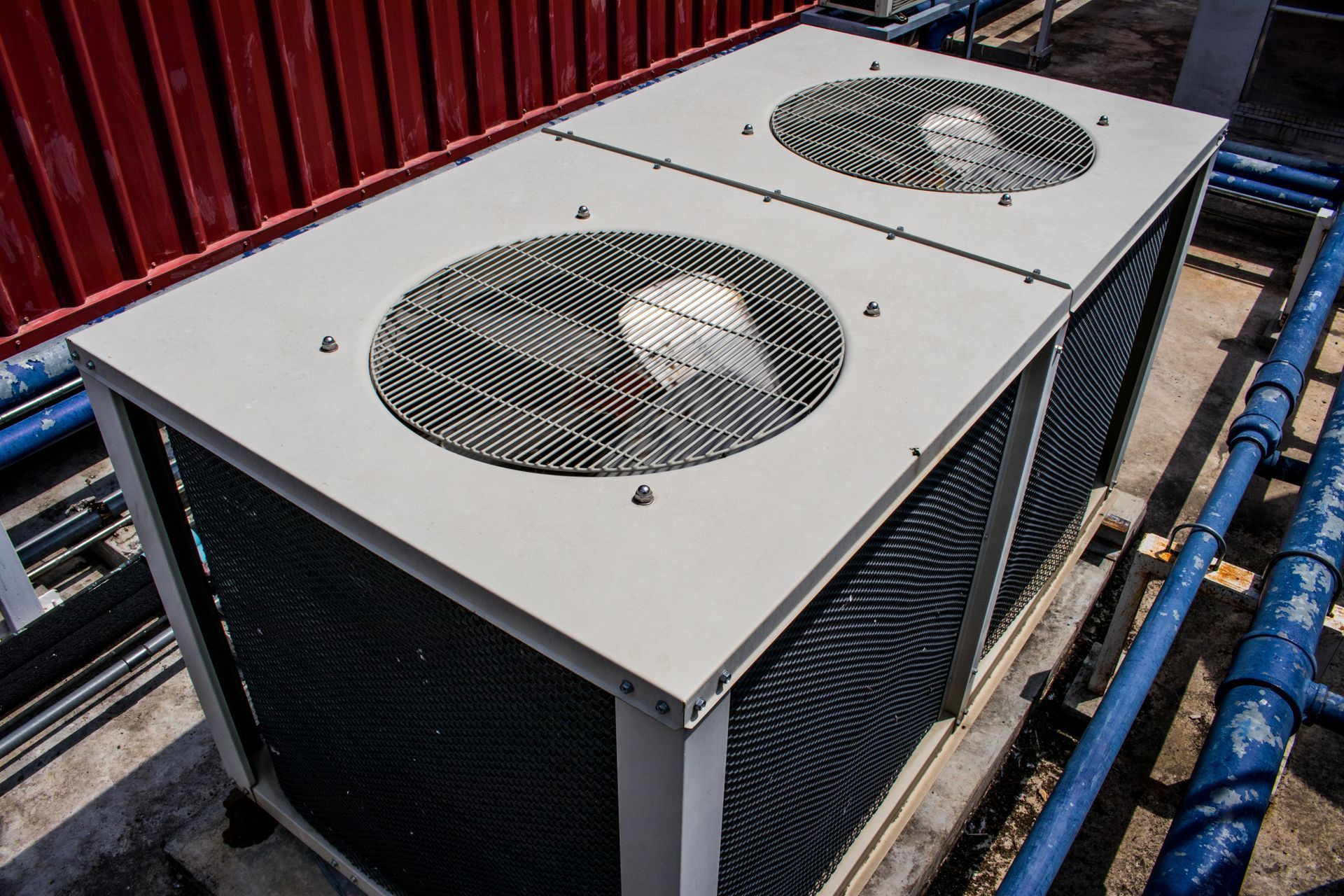
VRF installation involves placing outdoor condensing units that distribute refrigerant to multiple indoor air handlers through insulated piping rather than ductwork, allowing equipment placement in buildings where traditional duct runs don't fit within ceiling plenums or architectural constraints. System configuration supports up to several dozen indoor units controlled independently while sharing a single outdoor unit, and installations scale to match building layouts ranging from boutique office buildings to multi-story mixed-use developments.
Arrange an on-site evaluation to assess whether VRF technology fits your building's layout and occupancy patterns.
What VRF Systems Actually Accomplish
VRF technology monitors refrigerant pressure and temperature across all connected zones, modulating compressor speed and refrigerant flow to deliver precise heating or cooling capacity where needed without overcooling adjacent spaces or wasting energy on unoccupied areas. Inverter-driven compressors ramp up gradually rather than cycling on at full power, reducing electrical demand spikes and noise levels compared to conventional rooftop units that start and stop abruptly.
After installation, building managers notice lower utility bills during shoulder seasons when only portions of the building require climate control, quieter operation that doesn't disrupt office work or tenant activities, and faster response to temperature adjustments because individual zones reach set points without waiting for a central system to satisfy an entire floor. RH Mechanical, LLC configures control interfaces that allow zone-level adjustments without requiring specialized training or constant service calls.
VRF systems also provide heat recovery capabilities that transfer waste heat from cooling zones to areas requiring heating simultaneously, improving efficiency in buildings with mixed heating and cooling loads during Utah's transitional spring and fall months. Regular maintenance includes refrigerant charge verification, coil cleaning, and control calibration to sustain performance across complex multi-zone installations.
Common Questions About This Service
VRF systems represent a significant investment, and understanding their operational benefits helps property owners evaluate whether the technology suits their building type and usage patterns.
What types of buildings benefit most from VRF systems?
Properties with varying occupancy schedules, multiple tenants requiring independent climate control, or architectural constraints that make ductwork installation impractical see the greatest return from VRF technology, including professional office buildings, hotels, and mixed retail-residential developments across Riverton and South Jordan.
How does VRF installation differ from traditional HVAC systems?
VRF uses refrigerant piping instead of sheet metal ductwork, reducing installation space requirements and allowing indoor units to be placed in locations inaccessible to conventional supply registers, such as perimeter zones with limited ceiling depth or historic buildings where duct modifications aren't feasible.
When should VRF systems receive maintenance?
Annual inspections verify refrigerant levels, clean coils that affect heat transfer efficiency, and test control sequences that manage zone-level temperature requests, preventing performance decline that increases energy consumption or causes comfort complaints from tenants.
Why do VRF systems reduce operating costs?
Inverter compressors consume only the power needed to meet current heating or cooling demand rather than cycling on at full capacity repeatedly, and heat recovery modes reuse energy that would otherwise be expelled outdoors, cutting utility expenses in buildings with simultaneous heating and cooling needs.
What service capabilities do VRF installations require?
Technicians must understand refrigerant control logic, electronic expansion valves, and communication protocols between outdoor units and multiple indoor air handlers to diagnose performance issues accurately without misidentifying zone-level problems as system-wide failures.
RH Mechanical, LLC brings specialized experience servicing complex HVAC control systems to commercial properties requiring advanced climate management. Request a VRF installation and service estimate to explore whether this technology aligns with your building's performance goals.